The Role of Dairy in PCOS Nutrition
Polycystic Ovary Syndrome (PCOS) affects approximately one in ten women, making it one of the most common hormonal conditions in the country. This complex condition impacts hormonal health in numerous ways, from irregular periods and fertility challenges to insulin resistance and weight management difficulties. For women navigating life with PCOS, dietary choices become a powerful tool for managing symptoms and supporting overall wellbeing.
When it comes to PCOS nutrition, few topics spark as much debate as dairy consumption. Many women wonder whether their favourite dairy products are helping or hindering their health goals. Today, we’re addressing a question we hear often: Should cottage cheese be part of a PCOS-friendly diet?
Understanding the PCOS-Dairy Debate
If you’ve spent any time researching PCOS nutrition, you’ve likely encountered conflicting advice about dairy. Some sources recommend avoiding it entirely, citing concerns about inflammation and insulin resistance. Others suggest that certain dairy products can actually support hormonal health.
The truth lies somewhere in the middle – and understanding why requires examining the key factors in PCOS diet planning:
- Insulin response: Many women with PCOS experience insulin resistance, making blood sugar management crucial
- Hormonal balance: Certain foods may influence oestrogen and testosterone levels
- Inflammation: Chronic low-grade inflammation is common in PCOS and can worsen symptoms
Dairy’s reputation in PCOS nutrition circles is mixed precisely because different dairy products affect these factors differently. This is where cottage cheese deserves a closer look.
The Nutritional Profile of Cottage Cheese
Cottage cheese stands apart from many other dairy products thanks to its impressive nutritional profile. Understanding what’s in your food is essential for informed PCOS nutrition decisions.
High-quality protein: Cottage cheese delivers substantial protein per serving, which supports muscle mass and helps stabilise blood sugar levels – both critical considerations for PCOS management.
Essential nutrients: You’ll find calcium for bone health, B vitamins for energy metabolism, and phosphorus for cellular function in every serving.
Variety of options: Whether you prefer full-fat, low-fat, or reduced sodium varieties, there’s a cottage cheese to suit your specific PCOS nutrition needs.
Gut health support: Some cottage cheese brands, including Brancourts, contain beneficial probiotics that support digestive health – an often-overlooked aspect of hormonal balance.
How Cottage Cheese Affects PCOS Factors
Insulin Sensitivity
For women focused on PCOS nutrition that supports healthy insulin levels, cottage cheese offers several advantages. With its low glycaemic index, cottage cheese won’t cause the rapid blood sugar spikes associated with high-carbohydrate foods.
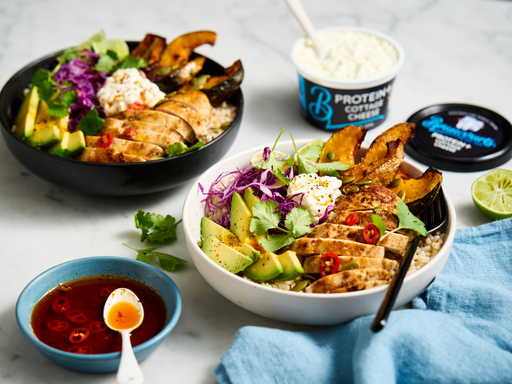
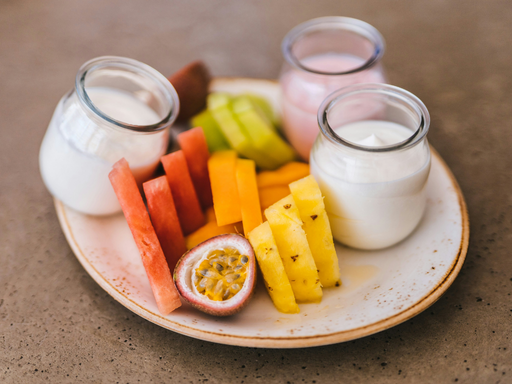
The high protein content works double duty here, helping to slow digestion and maintain steady blood glucose levels. For even better results, try pairing cottage cheese with fibre-rich foods like berries, vegetables, or whole grain crackers. This combination can further reduce glucose spikes, making it an excellent PCOS nutrition strategy.
Inflammation
Inflammation is a legitimate concern in PCOS nutrition planning, and it’s true that some women experience inflammatory responses to certain dairy products. However, cottage cheese is often better tolerated than other dairy options.
The key lies in individual response – some women with PCOS tolerate dairy beautifully, while others find it aggravates their symptoms. Choosing high-quality cottage cheese made from quality milk may reduce any potential inflammatory impact. Paying attention to how your body responds is the best guide for your personal PCOS nutrition journey.
Hormonal Balance
Research on dairy’s effects on oestrogen and testosterone levels remains mixed. However, the consensus suggests that cottage cheese’s impact on hormonal balance is likely minimal when consumed in moderation.
Importantly for PCOS nutrition, cottage cheese is generally better tolerated than high-lactose or sugar-laden dairy products. Its lower lactose content and absence of added sugars make it a smarter choice for hormone-conscious eating.
Tips for Including Cottage Cheese in a PCOS-Friendly Diet
Ready to incorporate cottage cheese into your PCOS nutrition plan? Here are some practical guidelines:
- Choose plain varieties: Opt for cottage cheese without added sugars like Brancourts’ Cottage Cheese, which can disrupt blood sugar balance.
- Consider fat content: Both full-fat and low-fat versions can fit into PCOS nutrition plans – choose based on your overall dietary goals.
- Watch sodium levels: Pre-packaged varieties can be high in sodium, so check labels if you’re monitoring salt intake
- Start small: If you’re unsure how dairy affects you, introduce cottage cheese gradually and observe your body’s response
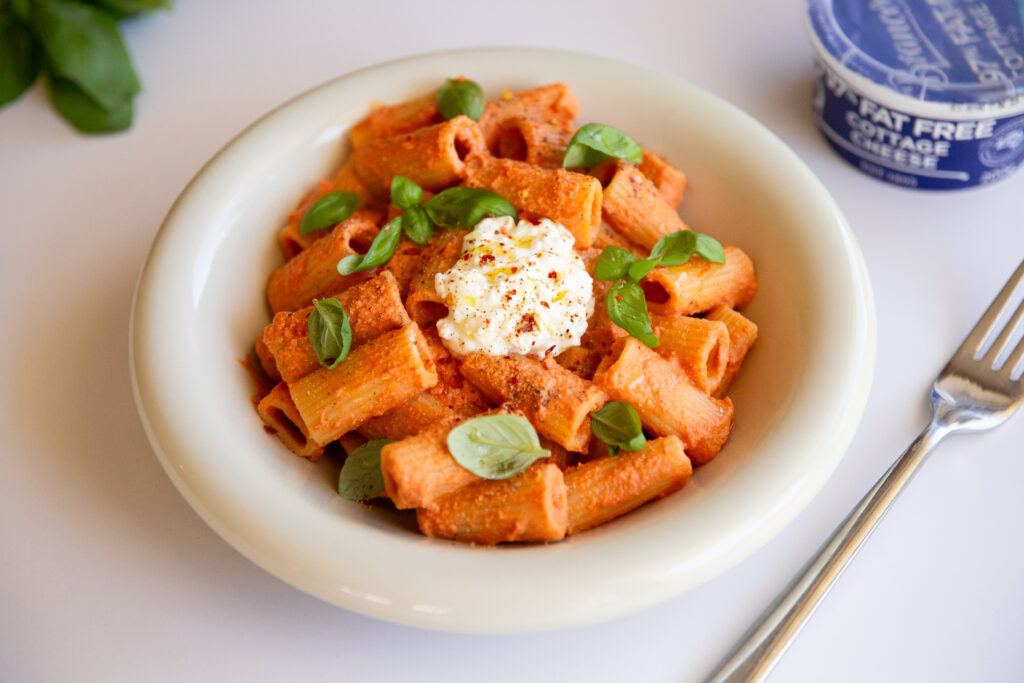
- Pair thoughtfully: Combine with low-glycaemic foods like nuts, seeds, vegetables, or berries for balanced PCOS nutrition
Is Cottage Cheese Safe for PCOS?
The evidence suggests that cottage cheese can absolutely be a safe, nutrient-dense choice for many women with PCOS when consumed in moderation. Its high protein content, low glycaemic index, and versatility make it a valuable addition to a thoughtful PCOS nutrition approach.
However, personalisation is paramount. Every woman’s experience with PCOS is unique, and what works beautifully for one person may not suit another. We encourage you to track how you feel after eating cottage cheese and listen to your body’s signals.
At Brancourts, we believe that balance, variety, and personalisation are the cornerstones of any successful PCOS nutrition strategy. Our range of cottage cheese products – including Lactose Free options for those with sensitivities – offers wholesome, quality choices for women seeking to nourish their bodies with real food.
Explore our cottage cheese range and discover delicious recipes on our website. Find Brancourts at your nearest Woolworths or Coles, and take a positive step in your PCOS nutrition journey today.
Disclaimer: This content is for informational purposes only and is not intended as medical advice. Individual responses to foods can vary, especially for those with PCOS or other health conditions. Always consult a qualified healthcare professional or registered dietitian before making changes to your diet, nutrition plan, or managing any medical condition.