Cheese has earned its place as a beloved staple in Australian kitchens, even causing a shortage! Whether you’re sprinkling it over a salad, stirring it into pasta, or enjoying it straight from the tub, cheese adds flavour, texture, and nutrition to countless meals. But with so many varieties available, it can be tricky to know which one best suits your lifestyle.
Two popular choices that often appear in health-conscious households are cottage cheese and feta cheese. Both are incredibly versatile, but they differ significantly in taste, texture, and nutritional profile. If you’ve ever wondered how to make cottage cheese work harder in your meals, or whether feta is the better option, this guide is for you.
At Brancourts, we’re proud to offer two delicious cottage cheese options: our Classic Cottage Cheese for those who love rich, creamy indulgence, and our 97% Fat Free Cottage Cheese for those seeking lean, high-protein nutrition. Let’s explore how these cheeses compare and help you make the best choice for your table.
Meet the Cheeses: Understanding How to Make Cottage Cheese and Feta Different
Cottage Cheese
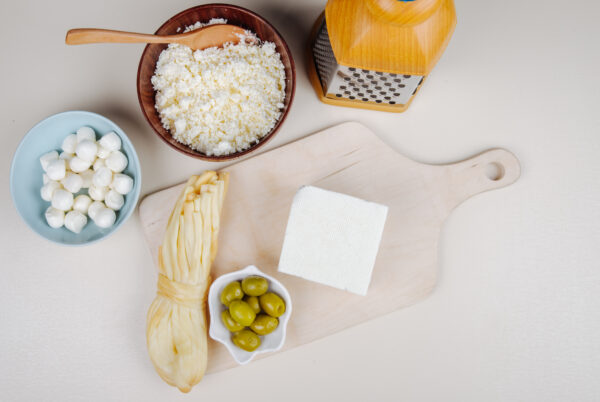
Cottage cheese is a fresh, unaged cheese characterised by its soft, creamy curds and mild, subtle flavour. Understanding how to make cottage cheese reveals its simplicity. Milk is curdled, drained, and lightly dressed, resulting in a wholesome product that’s often enjoyed as-is or mixed into both sweet and savoury dishes.
Feta Cheese
Feta, on the other hand, is an aged cheese with a crumbly texture and distinctively salty, tangy taste. Traditionally made from sheep’s or goat’s milk, feta undergoes a brining process that gives it its bold flavour profile. While delicious, its intensity means it’s often best used in smaller quantities.
How to Make Cottage Cheese Your Protein Powerhouse: Nutritional Comparison
When it comes to nutrition, cottage cheese and feta serve different purposes. Understanding the differences can help you make smarter choices for your health goals.
Our Brancourts Cottage Cheese offers a balanced nutritional profile with moderate fat content and high protein. It provides a satisfying, creamy option while still being lower in sodium than feta.
Feta cheese, while offering moderate protein, tends to be higher in fat and calories. Its most significant drawback for health-conscious eaters is its very high sodium content due to the brining process.
For those focused on weight management, muscle recovery, or simply making better-for-you choices, Brancourts Cottage Cheese stands out. Learning how to make cottage cheese a regular part of your diet can significantly boost your daily protein intake without excess calories or sodium.
How to Make Cottage Cheese Work for Your Palate: Taste and Texture
Cottage cheese offers a creamy, light texture with a subtle flavour that makes it incredibly adaptable. It combines effortlessly into smoothies, spreads beautifully on toast, and mixes effortlessly into both sweet and savoury recipes. Brancourts Classic Cottage Cheese provides a richer, more indulgent experience for those who enjoy a fuller taste without going overboard.
Feta cheese brings a bold, salty punch to any dish. Its crumbly texture and tangy bite make it a standout garnish, but its intensity can easily overpower other ingredients. For everyday eating, many find cottage cheese more approachable and versatile.
How to Make Cottage Cheese or Feta Work for You: Which Cheese is Right?
Choosing between cottage cheese and feta ultimately depends on your lifestyle and goals:
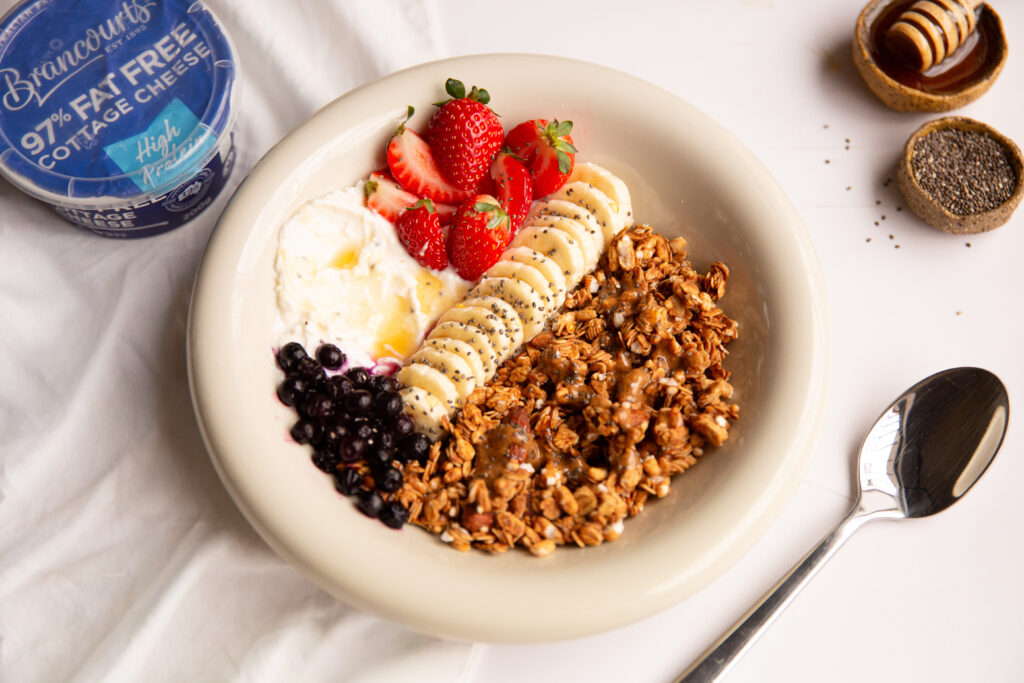
Health-conscious or active lifestyle? Reach for Brancourts 97% Fat Free Cottage Cheese for high protein and low fat.
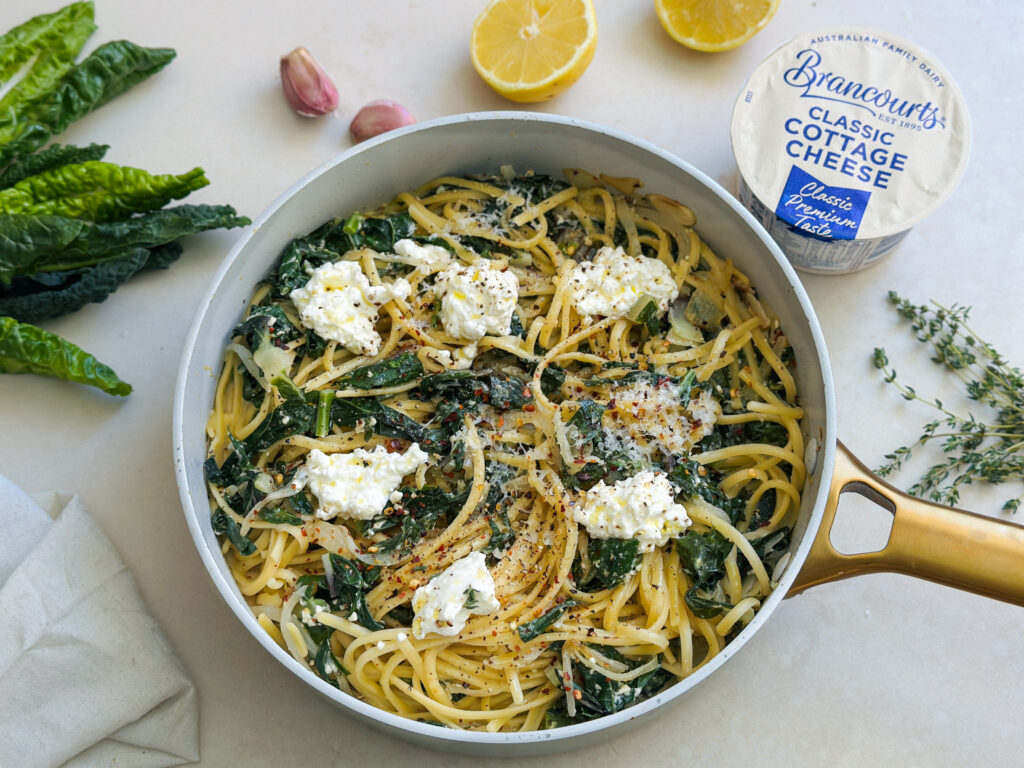
Feeding the family or packing kids’ lunches? Brancourts Classic Cottage Cheese offers a crowd-pleasing taste and satisfying texture.
Craving bold flavours? Enjoy feta in moderation, but balance it with Brancourts Cottage Cheese for everyday nourishment.
How to Make Cottage Cheese Part of Your Life Today
Both cottage cheese and feta have their place in a well-rounded diet, but Brancourts Cottage Cheese offers unmatched flexibility, superior nutrition, and genuine Australian quality. Whether you’re looking for a protein boost, a creamy addition to your favourite recipes, or simply a delicious snack, Brancourts delivers. Check out more recipes on our website.
Try Brancourts today, experience how quality dairy changes your life. See the full range of products on our website.